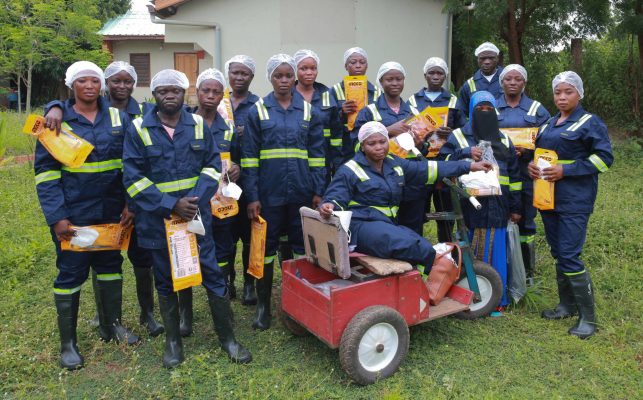
In the Savannah Region of Ghana, where youth unemployment remains a major development challenge, iValley Ghana is taking practical steps to transform agriculture into a pathway for jobs and entrepreneurship. Through the Accelerating Change Through InnoVation in Agricultural TVET (ACTIVATE) Project, an initiative that aims to prepare more than 80,000 young Ghanaians with market-relevant agricultural skills, iValley is equipping unemployed youth with practical knowledge in the cashew value chain. The goal is to enable them to secure employment, start agribusinesses, and participate in modern agricultural value chains while tapping into one of Ghana’s fastest growing sectors.
The initiative focuses on hands-on training that prepares young people to participate meaningfully in the cashew industry, not only as farmers but also as processors, service providers, and agribusiness entrepreneurs.
The programme is implemented through a partnership between iValley Ghana, Social Enterprise Ghana, and World University Services of Canada (WUSC). Together, the partners are working to strengthen agricultural technical and vocational education and training while ensuring that youth and women have access to emerging opportunities within the cashew sector across the Savannah Region.
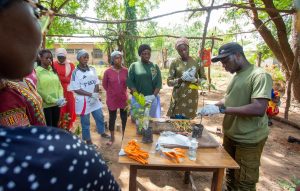
Through this collaboration, iValley Ghana is delivering practical training in cashew nursery establishment, cashew farm management, and cashew processing and value addition. The programme focuses on building skills that can translate directly into employment or small business creation, helping participants move quickly from training to income generation.
For many of the young participants, the programme represents more than just a training opportunity. It offers a pathway to independence and economic empowerment in a region where employment opportunities can often be limited.
By focusing on the cashew value chain, iValley Ghana is tapping into a sector with significant growth potential. With the right skills and support, young people can build livelihoods in areas such as seedling production, farm management services, processing, and trading, contributing to both their personal economic growth and the development of the local agricultural economy.